
The allure of excitement and anticipation
The thrill of stepping into a casino often ignites an exhilarating wave of excitement that is hard to resist. This emotional high is closely linked to the anticipation of potential rewards, especially when players seek the best online casino australia options available. As players enter the gaming floor, they are met with brightly lit machines, the sound of coins dropping, and the hum of excitement, all designed to heighten their senses. The atmosphere is meticulously crafted to keep visitors engaged and optimistic, further fueling their desire to gamble. This anticipation can lead to an adrenaline rush, making the experience feel almost electric.
The excitement experienced in casinos is deeply rooted in a psychological phenomenon known as variable reinforcement. This concept suggests that rewards are not delivered at consistent intervals, creating an unpredictability that generates a sense of excitement. Individuals are drawn to chase these wins, which makes gambling feel like a thrilling game of chance. Casinos cleverly exploit this dynamic, creating an environment where players are continually motivated to try their luck, blurring the lines between risk-taking and enjoyment. The thrill of not knowing when the next payout will occur keeps players on the edge of their seats, eager to spin the wheel one more time or roll the dice again.
The ambiance of a casino is designed to stimulate various senses simultaneously. The combination of music, lights, and even the enticing aromas wafting through the venue enhances the overall experience. This sensory overload keeps players engaged and fosters a psychological belief that luck is just around the corner, making it difficult to leave without testing their fortune one last time. The intricate design of the space aims to create a sense of euphoria that players are eager to chase, making casinos a unique escape from everyday life.
The social aspect of gambling
Casinos are not merely places for playing games; they also serve as vibrant social hubs where people come together to share experiences. Whether it’s playing poker with friends or cheering at a roulette table, the social interaction adds a layer of enjoyment that enhances the gaming experience. Humans are inherently social beings, and the communal aspect of casino gaming allows individuals to connect, share stories, and create lasting memories. This shared experience can make the time spent at a casino feel significantly more rewarding.
The social dynamic in casinos can amplify the emotional impact of both wins and losses. Celebrating a win with friends can heighten feelings of joy, while commiserating over a loss can foster deeper connections with others who share the experience. These social bonds can turn a seemingly trivial event into a meaningful memory, encouraging individuals to return to these environments. The camaraderie found in casinos creates a sense of belonging, making the gaming experience not just about the games themselves but about the relationships formed along the way.
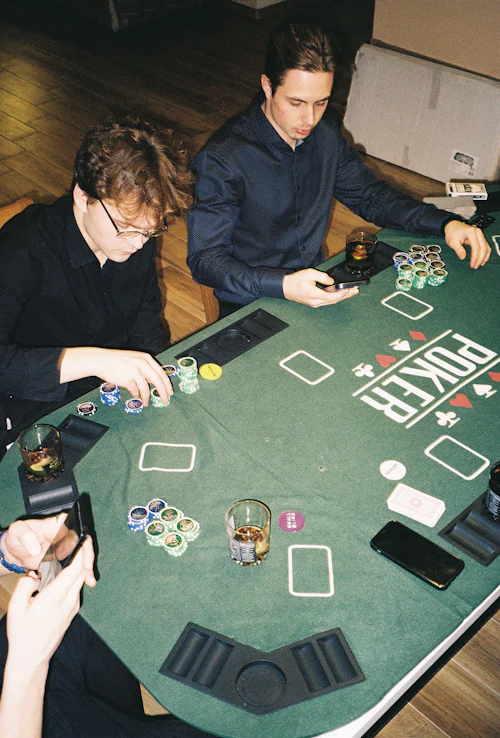
Additionally, casinos often host events, tournaments, and performances that enhance their social offerings. These events create a lively atmosphere that attracts larger crowds and promotes mingling among attendees. The combination of gaming, entertainment, and social interaction makes casinos appealing not only for gambling opportunities but also as venues for building relationships and enjoying a night out. This multifaceted approach to entertainment fosters a culture where people feel compelled to return, not just for the games, but for the community they find there.
The impact of design and environment
The design of a casino plays a crucial role in drawing people in and keeping them engaged. From the layout of the gaming floor to the decor, every element is carefully crafted to create an immersive experience. Casinos prioritize creating a labyrinthine environment, often devoid of clocks and windows, which can distort time perception. This design encourages players to lose track of time, leading them to stay longer and play more. It’s not uncommon for players to realize hours have passed without even noticing, a testament to the effectiveness of strategic design.
Furthermore, the strategic placement of games and machines significantly influences player behavior. High-stakes tables typically occupy prime real estate within a casino, drawing more attention and creating a sense of urgency. This strategic design manipulates players’ emotions, encouraging them to participate in games they might otherwise overlook. The overall aesthetic is intentionally glamorous, creating a sense of exclusivity that makes players feel special and valued. This psychological manipulation ensures that players are not just playing games, but are also immersed in an experience that feels luxurious and indulgent.
Bright colors, dynamic lighting, and rich textures all contribute to a stimulating setting that enhances the overall experience. The constant buzz of activity, from the sounds of laughter to the clinking of chips, creates an atmosphere filled with energy that is hard to resist. This carefully curated environment not only entices people to step inside but also keeps them wanting to return for more of that thrilling experience. The design of the casino acts as a siren call, luring players back for the excitement and sensory stimulation they associate with their visits.
The psychological effects of winning and losing
Winning at a casino can create a euphoric rush that reinforces the desire to keep playing. The dopamine release triggered by a jackpot win leads to feelings of euphoria, making players eager to replicate that success. This biochemical response significantly alters an individual’s judgment, encouraging repeated visits to the casino in hopes of experiencing that high again. This fundamental aspect of human psychology is why casinos prominently highlight winners and their excitement; these stories can attract more visitors and create a sense of potential among players.
Conversely, losing can also have complex psychological effects. Many players experience a profound sense of loss that can lead to a desire to “chase” their losses, a common behavior recognized in gambling psychology. This can create a vicious cycle where individuals feel compelled to continue playing in hopes of recouping their previous losses, further immersing themselves in the casino experience. Understanding these emotional dynamics is essential, as they can inform players about their behavior and motivations, helping them navigate the highs and lows of gambling.
Moreover, the relationship between winning and losing can shape a player’s approach to risk-taking. Individuals who perceive themselves as lucky may be more inclined to engage in riskier gaming behaviors, while those who have faced a series of losses might withdraw entirely. This intricate interplay between psychology and gambling underscores the importance of self-awareness in gaming. Understanding these dynamics is crucial for both players and casinos, as they significantly influence how individuals engage with gambling activities over time and can inform responsible gaming practices.
Understanding the role of the website
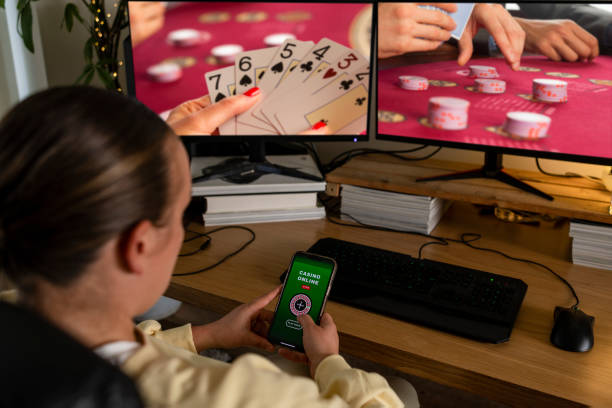
In the digital age, the allure of casinos has transitioned into the online realm, where websites replicate the excitement found in traditional gaming environments. These virtual casinos employ similar psychological tactics as their physical counterparts. By creating immersive experiences through engaging graphics and interactive games, they entice users to spend time on the site. Online casinos frequently offer welcoming bonuses and promotions, heightening the sense of excitement and encouraging new users to explore the platform. This strategic use of incentives creates a compelling reason for players to engage with the site.
The psychology of online casinos also capitalizes on the concept of convenience. Players can access their favorite games from the comfort of their homes, removing barriers that might have limited their participation in physical casinos. This ease of access allows individuals to indulge in gaming behaviors without the social pressures present in a traditional casino environment, catering to both casual players and those seeking deeper engagements. The anonymity of online gaming can also provide a unique comfort, allowing players to explore different games without the fear of judgment.
Furthermore, data analytics on these websites allows operators to tailor experiences to individual users. By utilizing player behavior data, online casinos can create personalized game recommendations, bonuses, and loyalty programs. This targeting enhances user satisfaction and increases overall engagement, cultivating a deeper connection between the player and the platform. Understanding these psychological aspects is crucial for players navigating the online gambling landscape, as it helps them make informed choices and enjoy a more fulfilling gaming experience. As the online casino industry continues to grow, so too does the need for players to be conscious of their engagement and the strategies used to entice them.